
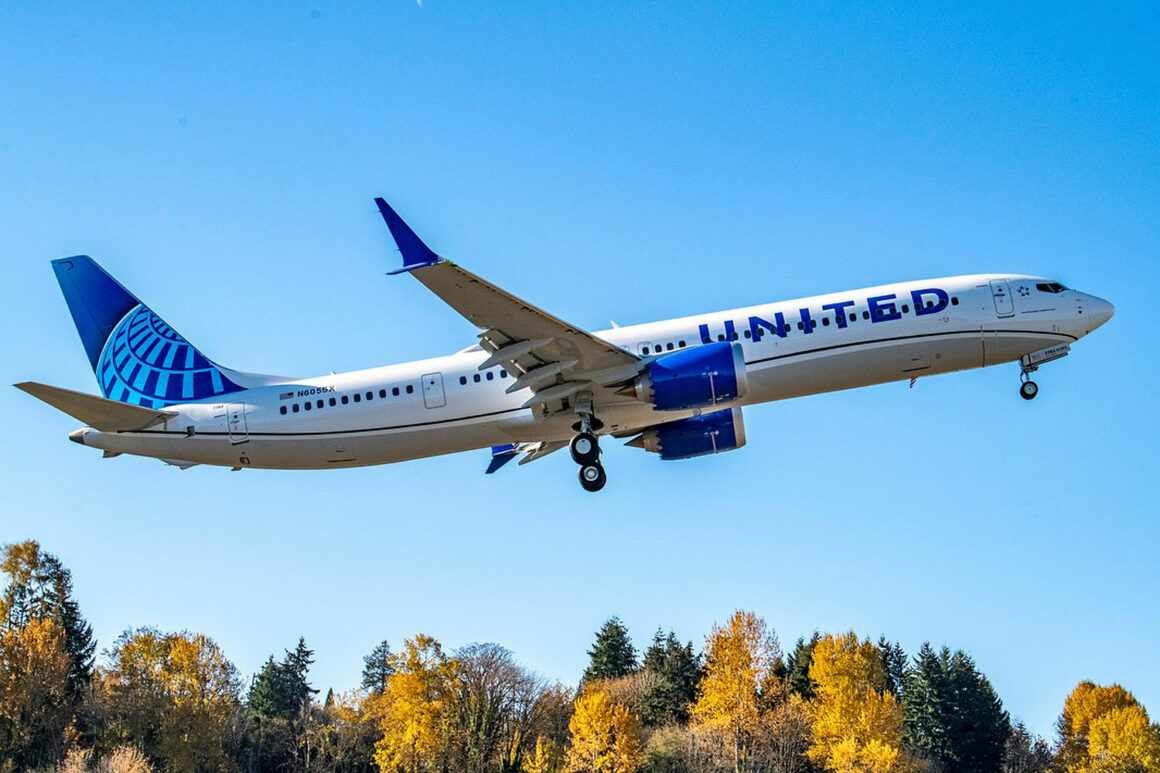
On July 7, 2025, the flight designated as united airlines flight ua82, operating a long‑haul route from Newark Liberty International Airport (EWR) to New Delhi, India, encountered a serious technical problem shortly after takeoff. The aircraft, a Boeing 787-9 Dreamliner, reached cruising altitude when pilots detected a malfunction in the airplane’s electronic cooling system. Because the cooling system regulates critical avionics and electronic systems on board, its failure posed a potential risk. The crew responded by declaring an emergency under transponder code 7700 and made the decision to return immediately to Newark. After about two hours in flight, united airlines flight ua82 made a safe emergency landing back at Newark approximately at 11:15 p.m. local time. Thankfully, no injuries were reported among passengers or crew. The aircraft was withdrawn from service for further inspection as crews and maintenance teams launched a thorough investigation.
- Why the Cooling System Matters: Understanding the Technical Fault
- What Passengers Experienced: Disruption, Safety and Aftermath
- Industry and Aviation Safety Perspective: What the Incident Highlights
- What Passengers Can Learn: Tips & Practical Advice
- Implications for Future Flights and Aviation Standards
- Conclusion
- About the Author
This event — the united airlines flight ua82 emergency — served as a stark reminder that even modern airliners with advanced redundant systems can face in‑flight technical challenges, and prompt crew action remains the first line of safety.
Why the Cooling System Matters: Understanding the Technical Fault
Modern long-haul aircraft like the Boeing 787-9 rely heavily on complex avionics, navigation, communications, and flight‑control systems. To ensure those systems operate reliably, an electronics cooling system regulates temperature and ensures sensitive components do not overheat. If that system fails, overheating can cause malfunctions, false readings, or even potential smoke/fire — all dangerous at cruising altitude.
In the case of united airlines flight ua82 emergency, the electronic cooling system malfunctioned during the early cruise phase. That alone triggered a safety threshold high enough for the crew to decide that continuing the flight would be unsafe. Although it is unclear whether the fault was due to a failed fan, sensor error, blocked airflow, or circuit issue, aviation experts note that any cooling‑system fault must be taken seriously, especially on long over‑water flights where diversion options are limited.
Because the problem was detected early and the crew acted quickly, the risk was managed before it could escalate into a more dangerous scenario. The decision to declare united airlines flight ua82 emergency demonstrates how precaution and adherence to safety protocols can prevent potential disasters.
What Passengers Experienced: Disruption, Safety and Aftermath
For the people aboard united airlines flight ua82, the sudden emergency and return to Newark certainly disrupted travel plans. Passengers had to disembark, and many found their onward trip to New Delhi delayed or canceled. However, United Airlines responded by providing support — meal vouchers, hotel accommodations when needed, and rebooking assistance for new flights to Delhi.
Despite the disruption, the safe landing reassured the passengers that safety was prioritized. There was no panic, no injuries, and the aircraft returned under controlled procedures. After landing, the plane was taken out of service for inspection and maintenance. d airlines flight ua82 emergency was a scare — but a demonstration of professional crew response, airline responsibility, and effective safety protocols.
Industry and Aviation Safety Perspective: What the Incident Highlights
The united airlines flight ua82 emergency underscores several important truths about modern aviation:
-
Even with advanced aircraft and redundant systems, technical failures remain possible. Electronics cooling faults are rare — but not impossible. Such incidents show the complexity and interdependence of aircraft systems.
-
Crew training and strict adherence to safety procedures matter enormously. The decision to declare an emergency, return to base, and land safely reflects professionalism and preventative mindset.
-
Real-time monitoring systems (such as aircraft electronics alerts, ACARS messages) play a critical role. In this case, automated alerts of cooling‑system anomalies likely helped ground and flight crews evaluate the situation promptly.
-
Passenger care and airline transparency — immediate support, rebooking, and clear communication — can greatly shape how such emergencies are perceived by the traveling public.
While aviation remains statistically one of the safest forms of travel, incidents like united airlines flight ua82 emergency remind us that safety depends on equipment, training, vigilance, maintenance, and well‑defined protocols.

What Passengers Can Learn: Tips & Practical Advice
If you are a traveler, here are a few takeaways — whether for a flight on United Airlines or any other carrier:
-
Always stay aware of flight status and notices — especially for long‑haul international flights. Technical issues can emerge even after takeoff.
-
Understand that when crews declare an emergency, it is often a precaution — not necessarily a disaster. It’s a sign of caution and professionalism.
-
Keep essential items in your carry‑on, including medication or valuables, in case of unexpected return, delay, or rebooking.
-
In the event of an emergency landing or turn‑back, stay calm, follow crew instructions, and be patient; airlines generally aim to support passengers with accommodation, rebooking, and meals.
-
If your travel plan is affected, contact airline customer support promptly — many airlines provide rebooking options, vouchers, or accommodation for disrupted flights, as was done in united airlines flight ua82 emergency.
Implications for Future Flights and Aviation Standards
After the united airlines flight ua82 emergency, investigators — including the airline’s maintenance teams and aviation regulators — are likely to analyze the electronics cooling system failure deeply. The findings could prompt enhanced maintenance checks, design reviews, or updated procedures for similar aircraft. For customers and frequent flyers, this incident may influence perceptions of airline reliability — but it should also reinforce confidence: the situation was contained safely, thanks to technology, protocols, and human judgement. It shows that the aviation industry remains alert, capable, and committed to safety.
In a broader view, the united airlines flight ua82 emergency serves as a testament to why airline safety standards remain stringent — and why caution and readiness matter even in routine flights.
Conclusion
The united airlines flight ua82 emergency was an unexpected but well‑managed event. What began as a routine flight from Newark to New Delhi turned into an urgent diversion when a critical fault struck the aircraft’s electronics cooling system. Thanks to swift detection, decisive action by the crew, and robust safety protocols, the plane returned and landed safely, with no injuries.
Though such incidents are rare, they highlight the inherent complexity of modern aviation, the vital importance of maintenance and monitoring systems, and the professionalism of airline staff. For passengers, it underscores that safety is never taken for granted — and when airlines respond properly, even emergencies can end with calm and reassurance.
For the aviation community, united airlines flight ua82 emergency is a reminder that vigilance, transparency, and readiness remain the backbone of safe flying — even in the era of advanced technology.
Frequently Asked Questions (FAQs)
Q: What caused the united airlines flight ua82 emergency?
A: The emergency on united airlines flight ua82 was triggered by a malfunction in the aircraft’s electronics cooling system, which regulates onboard avionics and critical equipment.
Q: Did the flight land safely after the emergency was declared?
A: Yes — united airlines flight ua82 safely returned and landed back at Newark Liberty International Airport, with no injuries reported among passengers or crew.
Q: Were passengers compensated or helped after the flight was disrupted?
A: Yes — passengers were provided with meal vouchers, hotel accommodations when needed, and rebooking on alternate flights to New Delhi.
Q: How common are incidents like united airlines flight ua82 emergency?
A: Technical faults like electronics cooling failures are rare on modern aircraft — but as the incident shows, they can still occur, which is why airlines maintain strict safety protocols and monitoring systems.
Q: What should a passenger do if their flight is diverted or aborted due to technical issues?
A: Stay calm, follow instructions from the crew, keep important items in carry‑on luggage, and contact the airline’s customer support for rebooking or accommodations.
About the Author