
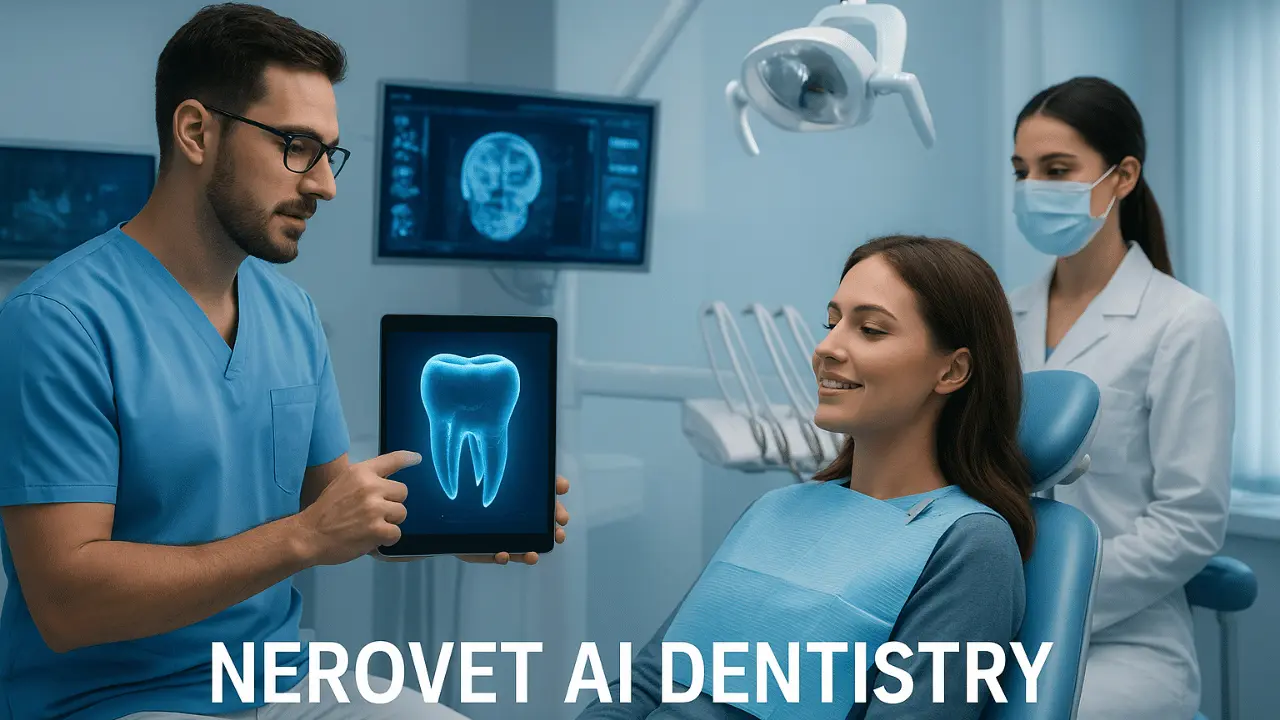
Introduction to Nerovet AI Dentistry
Nerovet AI dentistry represents a significant advancement in the field of dental care, harnessing the capabilities of artificial intelligence to enhance various aspects of dental practice. This innovative approach was developed to streamline the processes of diagnosis and treatment, ensuring that practitioners can provide the highest quality of care with increased efficiency. By integrating machine learning algorithms and sophisticated data analysis, Nerovet AI dentistry aids dentists in making informed decisions based on comprehensive patient data.
The foundation of Nerovet AI dentistry lies in its commitment to accuracy and precision. Traditional methods of diagnosis can often lead to human error or oversights; however, the incorporation of AI technologies minimizes these risks. Through the analysis of imaging data and patterns in patient history, the AI system can identify potential issues that may be overlooked during conventional examinations. This level of detailed assessment not only facilitates quicker diagnoses but also enhances treatment planning, allowing for personalized care tailored to each patient’s unique needs.
An essential aspect of Nerovet AI dentistry is its role in improving patient outcomes. By providing practitioners with advanced diagnostic tools, AI empowers dentists to intervene earlier in the treatment process. Early detection of dental issues can lead to more effective management strategies and improved overall oral health for patients. Additionally, the efficiency inherent in AI systems allows dental teams to focus more on patient interactions and care, as administrative burdens are lessened. The integration of AI into dentistry reflects a broader trend toward technological innovation in healthcare, marking a turning point that holds the promise of transforming traditional practices and enhancing the patient experience.
Benefits of Nerovet AI Dentistry
The incorporation of Nerovet AI dentistry into dental practices offers numerous advantages that significantly enhance patient care and operational efficiency. One of the key benefits is enhanced diagnostic accuracy. Studies have shown that AI algorithms can analyze dental images with a precision that often surpasses traditional diagnostic methods. This capability aids dental professionals in detecting conditions such as cavities, periodontal diseases, and oral cancers at much earlier stages, leading to timely interventions.
Improved treatment plans are another noteworthy advantage of Nerovet AI dentistry. By leveraging data from various sources, including patient history and genetic information, AI can assist dentists in creating optimized treatment plans tailored to individual patient needs. This personalized approach not only increases the likelihood of successful outcomes but also promotes patient compliance by ensuring that treatment options align with their preferences and lifestyles.
Nerovet AI dentistry also plays a pivotal role in reducing chair time for patients. With AI-powered tools, many diagnostic procedures can be completed more quickly, allowing practitioners to see a higher volume of patients without compromising care quality. This efficiency translates to less waiting time for patients and more streamlined operations within dental practices.
Furthermore, the ability to predict patient outcomes is another significant advantage of integrating Nerovet AI dentistry. By utilizing predictive analytics, dental professionals can make more informed decisions, identifying the most effective treatment strategies for each individual case. This proactive approach not only enhances patient satisfaction but also contributes to improving overall oral health outcomes.
In conclusion, the implementation of Nerovet AI dentistry provides groundbreaking benefits that enhance diagnostic precision, treatment personalization, and patient satisfaction, ultimately revolutionizing the landscape of oral health care.
Challenges and Limitations of Nerovet AI Dentistry
The rise of Nerovet AI dentistry is revolutionizing the dental field, yet its implementation is not without challenges and limitations. One of the foremost concerns pertains to technological limitations. The effectiveness of AI algorithms depends heavily on the quality and quantity of data available. In dentistry, achieving high-quality data can be challenging due to variations in patient anatomy and the subjective nature of diagnosis. Inaccurate data may lead to erroneous conclusions, rendering AI recommendations ineffective. Thus, continued refinement of data collection practices is critical.
Data privacy issues also present significant hurdles when considering Nerovet AI dentistry. The integration of AI tools necessitates the collection and analysis of vast amounts of patient information, raising concerns about confidentiality and the potential for data breaches. Ensuring compliance with stringent regulations, such as HIPAA in the United States, is paramount for maintaining patient trust while leveraging AI technologies.
Moreover, the deployment of Nerovet AI dentistry requires comprehensive training for dental professionals. While AI can assist in decision-making, it is imperative that practitioners understand the limitations and operational standards of these systems. A lack of adequate training may lead to misunderstandings and misuse of technology, which can undermine the benefits that AI is intended to provide.
Resistance from patients and practitioners can further complicate the adoption of Nerovet AI dentistry. Some individuals may feel apprehensive or doubtful about entrusting their dental care to AI-driven systems, citing concerns over the impersonal nature of technology. Efforts to educate stakeholders about the advantages and safety measures associated with AI could help alleviate these concerns.
Lastly, ethical considerations surrounding AI in healthcare cannot be overlooked. Bias in AI algorithms may inadvertently affect patient outcomes, and the responsibility for AI-generated decisions raises questions about accountability. Addressing these ethical challenges through ongoing dialogue and collaboration among technologists, ethicists, and healthcare professionals is essential for fostering trust and maximizing the benefits of Nerovet AI dentistry.
The Future of Nerovet AI Dentistry
The landscape of dental care stands on the brink of a significant transformation driven by Nerovet AI dentistry. As technology continues to evolve, we can anticipate an array of advancements that will redefine the patient experience and clinical outcomes. Emerging trends suggest that artificial intelligence will increasingly play a vital role in personalized preventive dentistry. This shift will enable dental practitioners to analyze patient data more effectively, leading to tailored treatment plans that cater specifically to individual needs.
Industry experts predict that the integration of advanced algorithms within Nerovet AI dentistry will facilitate the early detection of oral health issues. By utilizing machine learning, practitioners can identify patterns and anomalies in patient data that might otherwise go unnoticed, thereby enhancing the prospects for timely interventions. Such innovations not only improve clinical efficiency but also hold the potential to significantly reduce healthcare costs associated with advanced dental procedures.
Furthermore, ongoing research in AI technologies is expected to enhance patient communication. With the introduction of sophisticated chatbots and virtual dental assistants, patients will have greater access to information regarding their dental health, treatment options, and preventive care. This heightened accessibility is likely to foster a more engaged patient population, leading to better health outcomes and compliance with prescribed treatments.
As we look to the future, Nerovet AI dentistry appears poised to adapt not only to the technological advancements but also to the evolving preferences of patients. The emphasis will increasingly be on delivering a more integrative and holistic approach to oral health. By harnessing the power of AI, dental professionals can create more responsive and patient-centered care pathways, ensuring that the dental profession remains aligned with the expectations of a modern society.
About the Author